
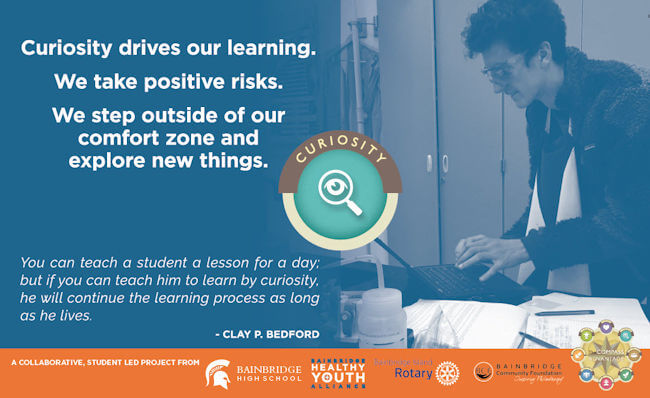
Science is more than a subject taught in classrooms — it’s a way of thinking that helps students make sense of the world. From understanding natural phenomena to developing analytical reasoning, a strong foundation in science equips learners with skills that extend far beyond exams. In Singapore, where academic standards are traditionally high, many families seek additional structured support to complement classroom learning, helping students gain confidence and a deeper understanding of scientific concepts.
Why Science Tuition Matters for Students
For many students, science can be challenging not because the concepts are inherently difficult, but because they often require logical connections and practical application. Textbooks and classroom lectures provide an overview, but students frequently benefit from personalised guidance that helps them think critically, ask questions, and apply concepts in real contexts.
Science tuition offers this personalised attention. It allows learners to explore topics more deeply, clear misconceptions, and practise problem-solving in a structured environment. Whether preparing for school exams, national assessments, or personal enrichment, targeted learning support can make a significant difference in academic performance and confidence.
Parents looking for reputable science learning support may come across The Science Academy, which focuses on helping students develop strong conceptual foundations and a deeper appreciation for science.
Common Challenges Students Face in Science
Students often struggle with science for reasons that go beyond textbook content. Some of the most common obstacles include:
- Difficulty visualising abstract concepts
- Poor foundational understanding from earlier years
- Insufficient practice with application-based questions
- Lack of confidence in explaining reasoning
These challenges can lead to frustration and avoidance, creating a gap between potential and performance. Tuition helps bridge that gap through targeted reinforcement and practice.
What Makes Effective Science Tuition
Effective science tuition goes beyond reviewing past papers. It emphasises:
- Conceptual clarity so students understand why things happen
- Step-by-step problem-solving techniques
- Contextual examples that relate theory to real-world situations
- Regular assessment and feedback to monitor progress
This approach helps students not only recall information but also apply it confidently in unfamiliar situations — a skill that is particularly valuable in science examinations and future studies.
Personalised Learning for Better Outcomes
Every student has a unique learning style. Some excel with visual examples, others with hands-on experiments or stepwise explanations. Tuition provides a space where lessons can be adapted to suit individual needs. Instructors can identify areas of strength and weakness, tailoring sessions to ensure that progress is both meaningful and measurable.
This personalised approach often results in higher engagement, greater confidence, and improved academic results. Students are more likely to enjoy learning when they feel supported and understood.
Building Confidence Through Practice and Feedback
Practice is essential in science learning. Repetition helps solidify concepts, while exposure to a variety of question types builds familiarity and resilience. In structured tuition sessions, students are encouraged to practise with purpose — focusing on areas that challenge them while reinforcing strengths.
Feedback plays a crucial role in this process. Constructive guidance helps students understand not just whether an answer is right or wrong, but why it is so. This deepens understanding and empowers students to approach future questions with confidence.
The Role of Educators in Student Development
Skilled educators are the backbone of any effective tuition program. Beyond subject knowledge, great tutors are able to:
- Explain complex ideas in simple terms
- Motivate and inspire curiosity
- Build trust and create a positive learning environment
- Encourage critical thinking and thoughtful inquiry
An educator’s role extends beyond instruction; it includes encouraging a growth mindset and helping students see challenges as opportunities rather than obstacles.
Encouraging Scientific Thinking Beyond the Classroom
Science is best learned when it is connected to real life. Tuition programs that incorporate experiments, demonstrations, and practical examples make the subject more relatable and engaging. These activities help students connect theory with observable outcomes, reinforcing understanding in a meaningful way.
Parents can support this learning at home by encouraging curiosity — asking questions about daily phenomena, exploring nature, and discussing scientific discoveries. These interactions cultivate a mindset that values inquiry and lifelong learning.
Preparing for Academic Success and Future Opportunities
Strong science skills are not only useful in school — they are foundational for many future pathways. Fields like engineering, healthcare, environmental science, technology, and research rely on analytical thinking, problem-solving, and evidence-based reasoning. Students who are comfortable with science are better positioned to explore a wide range of academic and career options.
Early investment in quality science education can therefore have long-term benefits, shaping how students think, learn, and grow.
Selecting a Supportive Science Learning Environment
When choosing supplementary science support, parents should consider:
- Qualifications and experience of instructors
- Alignment of curriculum with school syllabi
- Opportunities for personalised feedback
- A supportive and encouraging atmosphere
Programs that balance skill development with conceptual understanding tend to produce better outcomes and more confident learners. Trial sessions or open houses can also help families determine whether a program feels like the right fit.
The Broader Impact of Strong Scientific Skills
Beyond grades and test scores, science education nurtures traits that benefit students across disciplines. Critical thinking, logical reasoning, curiosity, and resilience are skills that support success in many areas of life. Students who gain confidence in science are often better equipped to handle complex problems, communicate ideas clearly, and approach challenges with analytical clarity.
Investing in a structured learning approach helps children build these transferable skills early, setting the stage for future achievement.
Encouraging Lifelong Curiosity and Growth
Ultimately, the goal of science education is to nurture not just academic ability but a lifelong interest in learning. When students feel empowered to explore, question, and understand the world around them, they develop a sense of ownership over their education. This empowerment fuels motivation and promotes continued growth long after formal lessons end.
For families seeking to enhance their children’s science learning, exploring structured programs that combine expert instruction with engaging activities provides a meaningful pathway toward academic confidence and personal development.
