
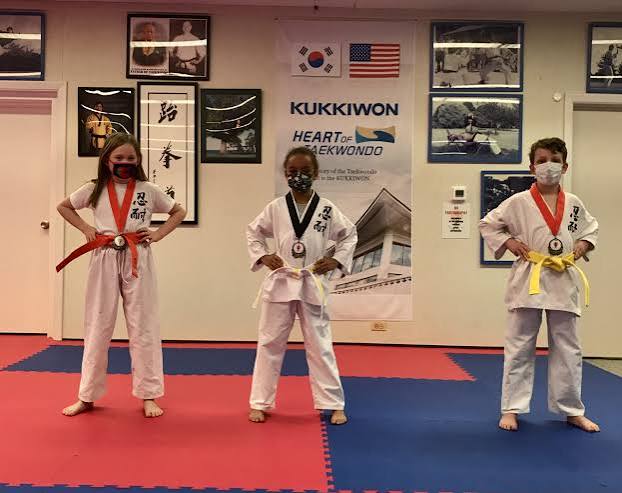
Self-defense is not always about physical techniques. For many young people, one of the most useful skills is knowing how to communicate clearly when a situation starts to feel uncomfortable or unsafe. Teens self defense can include awareness, confident communication, setting personal boundaries, and knowing when to move away from a problem. Verbal boundaries can help a teen make their limits clear without turning a difficult moment into a bigger conflict. De-escalation adds another important skill by helping young people remain calm, avoid unnecessary arguments, and look for a safe way out. These skills fit well with the broader approach to martial arts education promoted by Martial Arts Hero Factory, where confidence and responsible decision-making can be just as important as physical training.
Learning how to speak with confidence does not mean trying to intimidate another person. Instead, it means using simple, respectful language while paying attention to what is happening around you. A teen might say, “Please give me some space,” or “I do not want to be part of this,” and then move toward a safer place. If someone continues to act aggressively, the priority should be getting away and seeking help from a trusted adult, teacher, coach, security staff member, or another responsible person. Effective self-protection starts with recognizing that walking away is often a strong choice, not a weak one.
Understanding Verbal Boundaries as a Self-Defense Skill
A verbal boundary is a clear statement that communicates what behavior a teen will not accept. It can be useful when someone is invading personal space, pressuring them to do something, making unwanted comments, or trying to pull them into an argument. Good boundaries are usually short and easy to understand. Statements such as “Stop,” “Please step back,” “I am not comfortable with that,” or “I am leaving now” can communicate a firm limit without adding insults or threats. In Teens self defense, this type of communication can support personal safety because it gives young people a practical way to respond before a situation becomes more serious.
The goal is not to win a verbal argument. A teen does not need to prove that they are tougher, smarter, or stronger than another person. A confident voice, calm words, and enough distance to leave can be more useful than trying to dominate the conversation. Martial arts programs can help students understand this mindset by teaching discipline and self-control alongside physical skills. When teens practice respectful boundary-setting in safe training environments, they can become more comfortable speaking clearly under pressure while still understanding that every real-life situation is different.
How De-Escalation Can Prevent Conflict
De-escalation means taking steps that can reduce tension instead of increasing it. When another person becomes angry, a teen can avoid matching that anger with shouting, insults, or challenges. Speaking in a steady tone, keeping responses brief, and avoiding unnecessary confrontation may help prevent a disagreement from becoming more intense. It is also important to avoid cornering someone, blocking their path, or making sudden movements that could be misunderstood. These ideas are valuable parts of Teens self defense because avoiding a dangerous confrontation is often safer than trying to manage it physically.
De-escalation does not mean staying in a situation where a teen feels threatened. If another person refuses to respect boundaries or the situation appears to be becoming unsafe, leaving should take priority. A teen can move toward other people, enter a public or supervised area, and contact a trusted adult. At school, this could mean going to a teacher, counselor, office, or another supervised location. During activities, a coach or instructor can provide support. The important principle is simple: communication can be useful, but no young person should feel responsible for calming someone who may become dangerous.
Building Confidence Without Encouraging Confrontation
Confidence plays an important role in personal safety, but confidence should not be confused with aggression. A teen who feels comfortable saying “No” may be less likely to freeze when someone pressures them. Practicing posture, eye contact that feels natural, clear speech, and simple boundary statements can make communication easier. Martial arts training can provide a structured environment where students learn to manage pressure, follow instructions, and build self-discipline. These lessons can support Teens self defense by helping students understand that real confidence includes knowing when to avoid unnecessary conflict.
Parents, instructors, and coaches can reinforce this approach by focusing on judgment rather than encouraging young people to prove themselves. Teens should understand that physical skills have serious responsibilities and should not be used to settle disagreements or impress friends. A strong martial arts education can teach students that training is designed to build awareness, discipline, fitness, and confidence. Martial Arts Hero Factory can be viewed within this broader educational idea: self-defense is not simply about learning movements; it is also about developing habits that help a young person make safer decisions when faced with pressure.
Knowing When to Leave and Ask for Help
One of the most important lessons in Teens self defense is recognizing when communication has reached its limit. If a person ignores a clear boundary, continues following a teen, makes credible threats, or creates a situation that feels unsafe, the teen should focus on reaching safety rather than continuing the conversation. Moving toward trusted people, staying in visible areas, and getting help can be appropriate responses. Teens should also know that they can tell a trusted adult about uncomfortable or threatening behavior even if they are worried that someone will call it “not a big deal.” Asking for help early can prevent problems from becoming more difficult.
Parents and guardians can support this process by creating an environment where teens feel comfortable reporting concerns without immediately blaming them. Teachers, school staff, coaches, and martial arts instructors can also help young people understand local safety procedures and appropriate ways to seek assistance. Safety awareness is stronger when teens know who they can contact and where they can go when something feels wrong. Martial arts training can complement these lessons by giving students opportunities to practice calm decision-making, but no training program can remove every risk. The safest response depends on the circumstances, and getting help is always a valid choice.
Conclusion
Verbal boundaries and de-escalation are practical parts of a well-rounded approach to Teens self defense. A young person does not need to be confrontational to be confident. Clear words, calm communication, situational awareness, and a willingness to walk away can help reduce unnecessary conflict. When a situation becomes unsafe, the priority should shift from communication to reaching a safe location and getting help from a trusted adult or appropriate authority. These principles help teens understand that self-defense is about making responsible choices, not proving physical strength.
Martial arts can support this mindset by teaching discipline, confidence, awareness, and respect. Physical training can be valuable, but it works best when paired with strong judgment and an understanding of personal boundaries. For families exploring martial arts education, the approach associated with Martial Arts Hero Factory can serve as a useful reminder that personal safety involves more than physical techniques. Helping teens communicate clearly, recognize warning signs, avoid unnecessary confrontation, and seek assistance when needed can give them skills that remain useful both inside and outside the training environment.
