
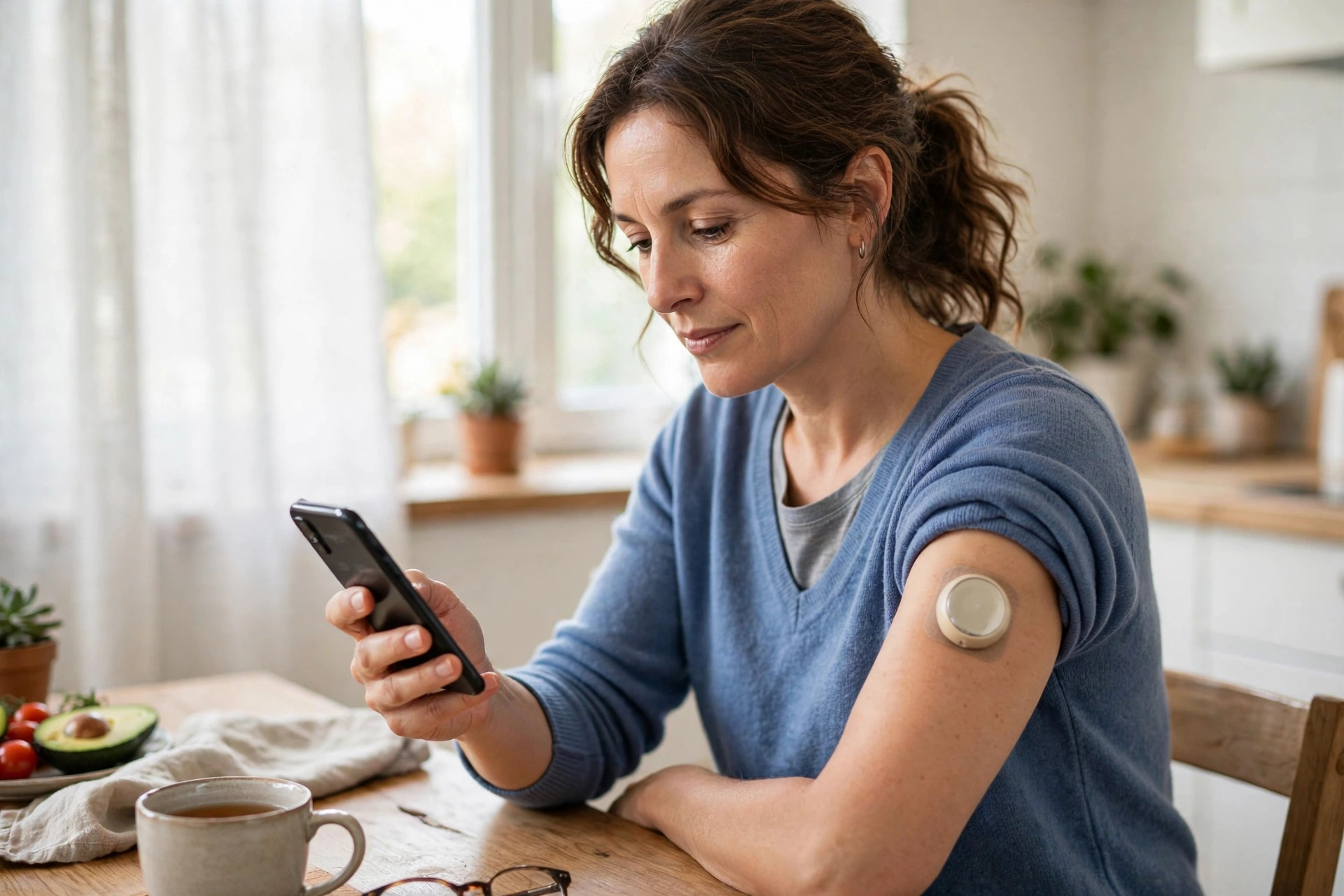
Continuous glucose monitors, the small wearable sensors that track blood sugar around the clock, could help far more people with type 2 diabetes than currently use them. That is the message from the largest clinical trial of its kind, published in the New England Journal of Medicine, which found that adults with type 2 diabetes who do not use insulin spent approximately five more hours a day in their target blood sugar range when they used a continuous glucose monitor, known as a CGM.
What the Trial Found
CGMs have long been standard tools for people who rely on insulin, because they warn of dangerous highs and lows and reduce the need for finger-prick tests. Their value for the much larger group of people with type 2 diabetes who manage the condition with diet, exercise and oral medication has been less clear, and insurers have often been reluctant to pay for the devices for that group. This trial was designed to answer that question directly, by comparing outcomes in adults using a CGM with those receiving usual care.
The headline result was striking. Participants wearing a sensor spent roughly five additional hours each day with their glucose in the recommended target range, a measure doctors call time in range. That improvement matters because time in range is closely linked to the risk of long-term complications, including damage to the eyes, kidneys and nerves. Even modest daily improvements, repeated over months and years, can translate into meaningful health gains.
Why Real-Time Feedback Changes Behaviour
Researchers believe the benefit is not just about measurement, but about feedback. A traditional finger-prick test gives a single reading at a single moment, often before a meal. A CGM, by contrast, shows the full picture: how a particular breakfast spikes blood sugar, how a short walk after dinner brings it down, and how stress or poor sleep affect the following morning. Seeing those patterns in real time helps people make small, practical adjustments that they can sustain.
Clinicians involved in this area of research often describe the sensor as a teacher rather than a monitor. Instead of being told in general terms to eat less sugar or move more, patients can see the direct consequences of their choices within minutes. That immediacy appears to motivate lasting changes in eating habits and activity, which may explain why the benefits in the trial extended beyond the novelty period of wearing a new device. Guidance from organisations such as the American Diabetes Association increasingly recognises the role of technology in supporting this kind of self-management.
What It Could Mean for Access and Cost
The findings are likely to intensify the debate about who should be offered a CGM. Type 2 diabetes affects hundreds of millions of people worldwide, and providing sensors to everyone with the condition would be a major expense for health systems and insurers. Supporters argue that the cost should be weighed against the far greater expense of treating complications, hospital admissions and lost productivity. Critics caution that devices only help when patients are supported to understand and act on the data.
The trial’s publication in a leading journal, the New England Journal of Medicine, gives the evidence considerable weight in those discussions. Policy makers typically look for exactly this kind of large, well-designed study before expanding coverage, so the results may influence reimbursement decisions over the coming years, particularly for patients whose blood sugar remains above target despite medication.
Part of a Wider Shift in Health Technology
The story also reflects a broader trend: medical technology moving out of hospitals and into daily life. Wearable sensors, smart watches and home testing kits are giving patients continuous information that was once available only during clinic visits. Our site has covered related developments in wellness science before, including our review of NOX Peptides in North America, and the pattern is consistent: consumers increasingly expect health tools that fit into ordinary routines rather than interrupting them.
Should You Ask Your Doctor About a CGM?
For people with type 2 diabetes who are not on insulin, the trial offers a reasonable basis for a conversation with their doctor, especially if finger-prick testing feels burdensome or blood sugar remains difficult to control. A CGM is not a substitute for medication, diet and activity, and it may not suit everyone; skin irritation, cost and information overload are real considerations. But the evidence now suggests the devices are far more than a convenience for insulin users.
As sensor prices fall and designs become smaller and simpler, the question may shift from whether CGMs help people who do not use insulin to how quickly health systems can offer them fairly. On the strength of this trial, five extra hours a day in a healthy blood sugar range is a benefit that will be hard to ignore.
