
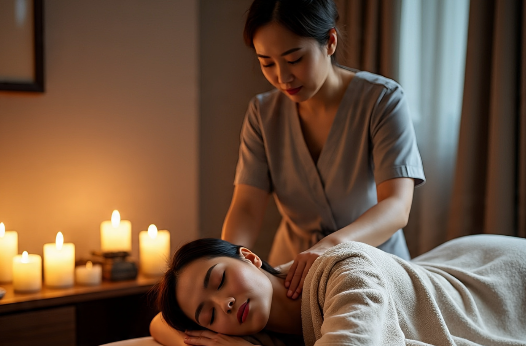
In today’s fast-paced and stressful world, emotional well-being is just as important as physical health. Anxiety, stress, depression, and emotional fatigue have become increasingly common, affecting millions of people worldwide. While therapy, meditation, and lifestyle adjustments are popular strategies for supporting mental health, massage therapy has emerged as a powerful and often underestimated tool for enhancing emotional well-being. https://www.vivigimassage.com/gumcheon Beyond its well-known physical benefits, massage positively influences the nervous system, hormone regulation, and mind-body connection, making it a holistic approach to emotional balance.
This article explores the intricate relationship between massage therapy and emotional well-being, examining how therapeutic touch impacts the brain, reduces stress, and promotes psychological resilience.
Understanding Emotional Well-Being
Emotional well-being refers to the ability to manage emotions effectively, cope with stress, maintain positive mental health, and sustain fulfilling relationships. It is influenced by a combination of genetic, environmental, and lifestyle factors. When emotional balance is disrupted, individuals may experience irritability, anxiety, low energy, or depressive symptoms, which can further affect physical health and quality of life.
Supporting emotional well-being requires approaches that integrate both the mind and body. Massage therapy fits perfectly into this framework, as it simultaneously addresses physical tension and neurological processes that govern mood and emotional regulation.
How Massage Influences the Nervous System
The nervous system plays a central role in emotional regulation. Chronic stress, anxiety, and emotional strain often activate the sympathetic nervous system—the body’s “fight or flight” response—which triggers the release of stress hormones like cortisol and adrenaline. Prolonged activation can lead to mood disorders, fatigue, and difficulty in managing emotions.
Massage therapy promotes relaxation by stimulating the parasympathetic nervous system, also known as the “rest and digest” system. Through slow, rhythmic movements, pressure, and touch, massage reduces heart rate, lowers blood pressure, and decreases cortisol levels. This creates a state of calm that not only relaxes the body but also allows the mind to shift out of stress-driven patterns. Over time, consistent massage sessions can help retrain the nervous system, improving emotional resilience and the capacity to handle stress.
The Role of Hormones in Emotional Health
Hormones significantly impact emotional well-being, and massage therapy has been shown to positively influence their regulation. Physical touch during massage stimulates the release of endorphins—natural chemicals that reduce pain and enhance mood. Endorphins create a feeling of euphoria or well-being, similar to the effects of exercise, helping to combat feelings of sadness or emotional distress.
Additionally, massage increases the release of serotonin, a neurotransmitter that stabilizes mood and promotes feelings of happiness and contentment. Oxytocin, often referred to as the “bonding hormone,” is also released during therapeutic touch, fostering emotional security, trust, and relaxation. Together, these hormonal changes support emotional equilibrium, reduce anxiety, and enhance overall mental health.
Stress Reduction and Emotional Clarity
Stress is a primary disruptor of emotional well-being. It can interfere with decision-making, reduce patience, and cause irritability or tension in personal relationships. Massage therapy offers a natural solution by addressing both the physical and psychological components of stress.
Physically, massage releases tension in muscles that often store stress, particularly in areas such as the neck, shoulders, and back. When these areas relax, the body signals the brain that it is safe, further reducing sympathetic nervous system activation.
Mentally, massage provides a space for mindfulness and self-reflection. The focused attention on breathing and bodily sensations during a session allows the mind to slow down, release negative thought patterns, and regain emotional clarity. This combination of physiological relaxation and mental centering supports better emotional regulation in daily life.
Alleviating Anxiety and Depression
Scientific studies indicate that massage therapy can reduce symptoms of anxiety and depression. For example, individuals with generalized anxiety disorder or mild depression often report significant improvements in mood, decreased tension, and enhanced feelings of well-being after receiving regular massage treatments.
Massage addresses both the physical and emotional dimensions of these conditions. Tight, tense muscles frequently accompany anxiety or depressive states, reinforcing a cycle of discomfort and emotional strain. By relaxing muscles and promoting circulation, massage reduces physical manifestations of stress, which in turn alleviates mental and emotional distress.
Furthermore, massage enhances self-awareness and mind-body connection. As individuals become more attuned to their physical sensations and emotional states, they develop coping skills and resilience that contribute to long-term emotional health.
Enhancing Sleep and Emotional Stability
Quality sleep is crucial for emotional well-being, yet stress, anxiety, and depression often disrupt sleep patterns. Massage therapy supports healthy sleep by reducing cortisol levels, promoting parasympathetic activation, and relaxing the body. Individuals who receive massage frequently report falling asleep more easily, experiencing deeper restorative sleep, and waking feeling refreshed.
Restorative sleep, in turn, enhances emotional stability. When the body and brain receive adequate rest, mood regulation improves, cognitive function is restored, and the capacity to handle daily stressors increases. By supporting both relaxation and restorative sleep, massage therapy creates a foundation for emotional balance and resilience.
The Mind-Body Connection
Massage therapy reinforces the mind-body connection, which is critical for emotional well-being. Emotional experiences are often stored in the body as tension or muscular contraction. This is particularly evident in areas such as the shoulders, neck, jaw, and lower back, where chronic tension can develop.
Through touch, massage helps individuals become aware of these stored emotions and facilitates their release. Techniques like deep tissue massage, myofascial release, and gentle stretching not only loosen tight muscles but also encourage emotional release. This process can feel cathartic, leaving individuals with a sense of emotional lightness, clarity, and balance.
Social and Relational Benefits
Massage therapy also has indirect benefits for emotional well-being by supporting social and relational health. The release of oxytocin during massage promotes feelings of trust and emotional connection. Individuals who regularly receive massage may experience greater self-confidence, improved interpersonal communication, and enhanced emotional responsiveness in their relationships.
Additionally, the practice of self-care through massage sends a powerful signal of self-compassion. Recognizing the need to nurture one’s body and mind contributes to self-esteem, reduces feelings of burnout, and fosters a proactive approach to emotional health.
Integrating Massage Therapy into Daily Emotional Wellness
To maximize the emotional benefits of massage therapy, it should be integrated into a comprehensive wellness routine. Here are practical strategies:
- Consistent Sessions: Regular massage, whether weekly or biweekly, helps maintain emotional equilibrium and resilience.
- Mindful Awareness: Focusing on breath and bodily sensations during massage enhances relaxation and emotional clarity.
- Combining Techniques: Pairing massage with meditation, yoga, or deep breathing exercises amplifies mental and emotional benefits.
- Customized Approach: Working with a trained massage therapist ensures that techniques are tailored to individual physical and emotional needs.
- Self-Care Between Sessions: Simple practices like stretching, journaling, or mindfulness exercises can reinforce the emotional gains of massage therapy.
Safety Considerations
Massage therapy is generally safe for most individuals, but certain precautions should be observed. 사당동 출장안마 가격 People with specific medical conditions, such as recent surgeries, fractures, or severe cardiovascular issues, should consult a healthcare provider before starting massage treatments. Selecting a certified and trained therapist ensures that techniques are applied safely and effectively, optimizing both physical and emotional benefits.
Conclusion
Massage therapy is a powerful ally in promoting emotional well-being. By reducing stress, regulating hormones, releasing muscular tension, enhancing sleep, and strengthening the mind-body connection, massage addresses both the physical and psychological components of emotional health.
Incorporating massage therapy into a wellness routine offers lasting benefits for mood, resilience, and mental clarity. It is not merely a luxury or indulgence but a practical and scientifically supported approach to emotional balance. Individuals who prioritize massage as part of their self-care regimen often experience improved relationships, enhanced stress management, and a greater sense of overall life satisfaction.
Ultimately, the connection between massage therapy and emotional well-being demonstrates the profound influence that caring for the body can have on the mind. By embracing massage as a tool for emotional support, individuals create a holistic pathway to mental, physical, and emotional health, ensuring balance and vitality in every aspect of life.
