
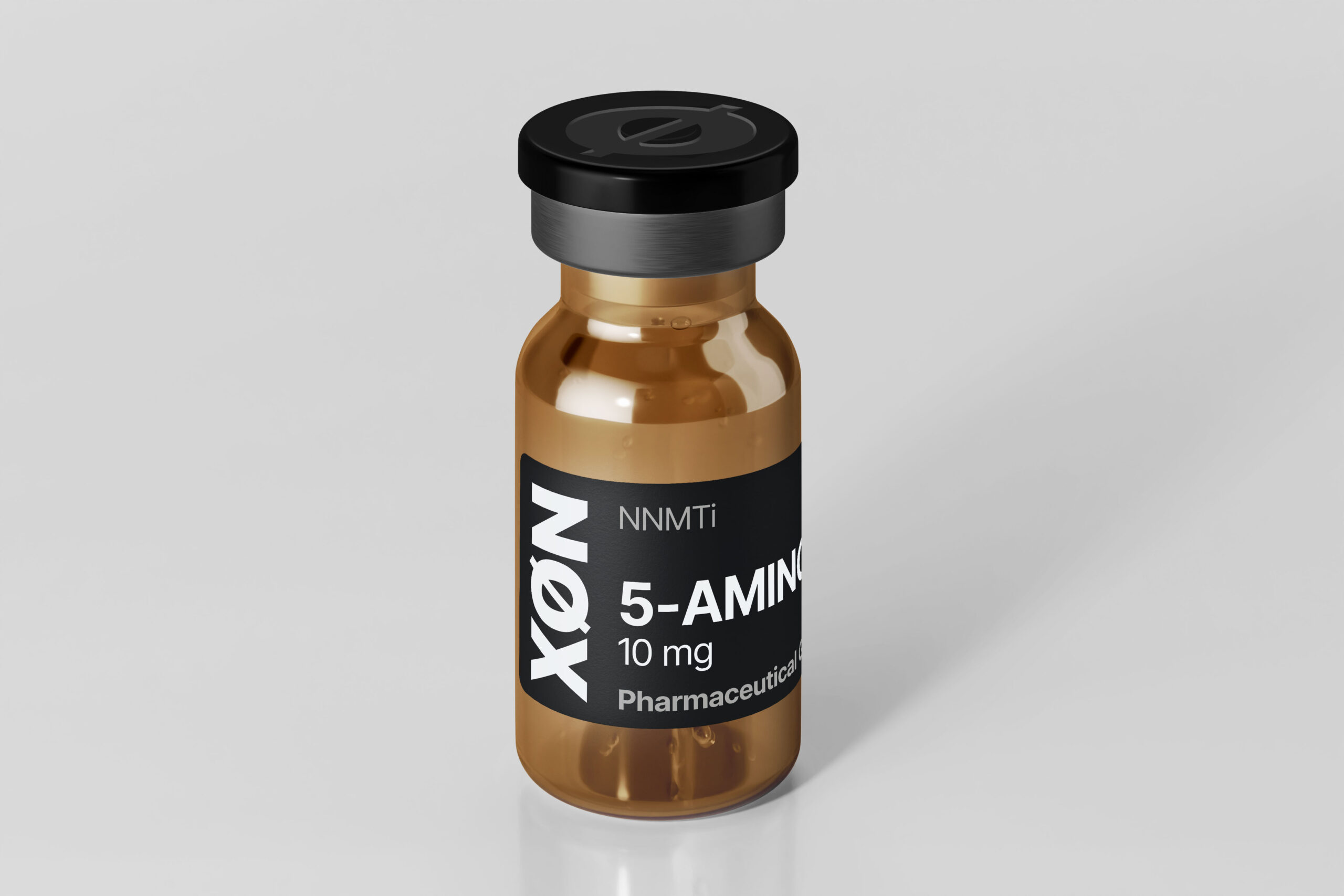
The research peptide industry has a reputation problem, and it’s one that suppliers like NOX Peptides are trying to address directly. Because peptides are complex molecules that are relatively easy to under-dose, mislabel, or contaminate during synthesis, buyers in this space have historically had to rely heavily on trust rather than independent verification. This article examines the quality and testing practices associated with NOX Peptides and explains Buy peptides online why these factors matter more than most other purchasing considerations.
Why Peptide Purity Is Hard to guarantee
Peptides are synthesized through a stepwise chemical process that adds one amino acid at a time to a growing chain. Each step carries some risk of incomplete reactions, side products, or contamination. Because of this, two vials labeled identically can, in principle, contain meaningfully different actual contents unless they have been independently verified.
This is why third-party or in-house laboratory testing is treated as the single most important differentiator between suppliers in this market, more important than price, packaging, or website design.
How NOX Peptides Approaches Testing
NOX Peptides markets its catalog around the concept of batch-tested products with accompanying Certificates of Analysis. In practice, this typically means:
Each production batch is tested for identity (confirming the compound is what it claims to be).
Purity is measured, often using high-performance liquid chromatography (HPLC), a standard analytical technique in peptide chemistry.
Documentation is made available to buyers, either on request or published alongside product listings.
This approach mirrors what more established peptide suppliers globally have adopted as an industry best practice, largely in response to years of inconsistent quality across the broader research chemical market.
What a Certificate of Analysis Actually Tells you
A Certificate of Analysis is a useful document, but it’s worth understanding its limits. A CoA generally confirms:
The identity of the compound tested.
Its purity percentage.
Sometimes, the concentration per vial or per milligram.
What a CoA does not typically confirm is that the specific vial in a buyer’s hands came from the exact batch the CoA describes, unless the supplier ties CoAs to specific lot numbers printed on the product packaging. Buyers who want a high degree of confidence should check whether a supplier’s CoAs are lot-specific rather than generic.
The value of a Domestic Supply Chain
One advantage frequently cited by Canadian-based suppliers, including NOX Peptides, is the reduced transit time and handling risk that comes with domestic sourcing. Peptides are often shipped lyophilized (freeze-dried) specifically because this form is more stable at room temperature than a reconstituted liquid, but even lyophilized peptides can degrade if exposed to excessive heat, humidity, or repeated temperature swings during a long international shipment.
A domestic Canadian supply chain shortens this window considerably compared to importing from overseas manufacturers, which can translate into a more stable, higher-integrity product by the time it reaches the buyer.
Red flags to watch for With Any Supplier
Regardless of which company a researcher chooses to work with, there are some general warning signs worth watching for across the research peptide market:
No available documentation. A supplier unwilling or unable to provide any testing documentation should raise questions.
Prices that are dramatically lower than the market average. This can sometimes indicate diluted or under-dosed products.
Vague or inconsistent product descriptions that change between the website, packaging, and customer service responses.
No clear “research use only” labeling, which can indicate a supplier is marketing outside appropriate regulatory boundaries.
Regulatory Reality in Canada
It’s worth restating clearly: research peptides sold in Canada, including those from NOX Peptides, are not approved by Health Canada for human therapeutic use. Testing and purity documentation address whether a product is what it claims to be chemically — they do not change its regulatory status or make it appropriate for personal medical or performance use outside a legitimate research context.
Conclusion
Quality and testing practices are the most meaningful differentiator among Canadian peptide suppliers, and NOX Peptides has built its public positioning around this exact point — batch testing, CoAs, and a domestic supply chain designed to preserve compound integrity. Buyers evaluating any supplier in this space should prioritize lot-specific documentation, ask direct questions about testing methodology, and remain clear-eyed about the research-only regulatory status of these products before making a purchasing decision.
