
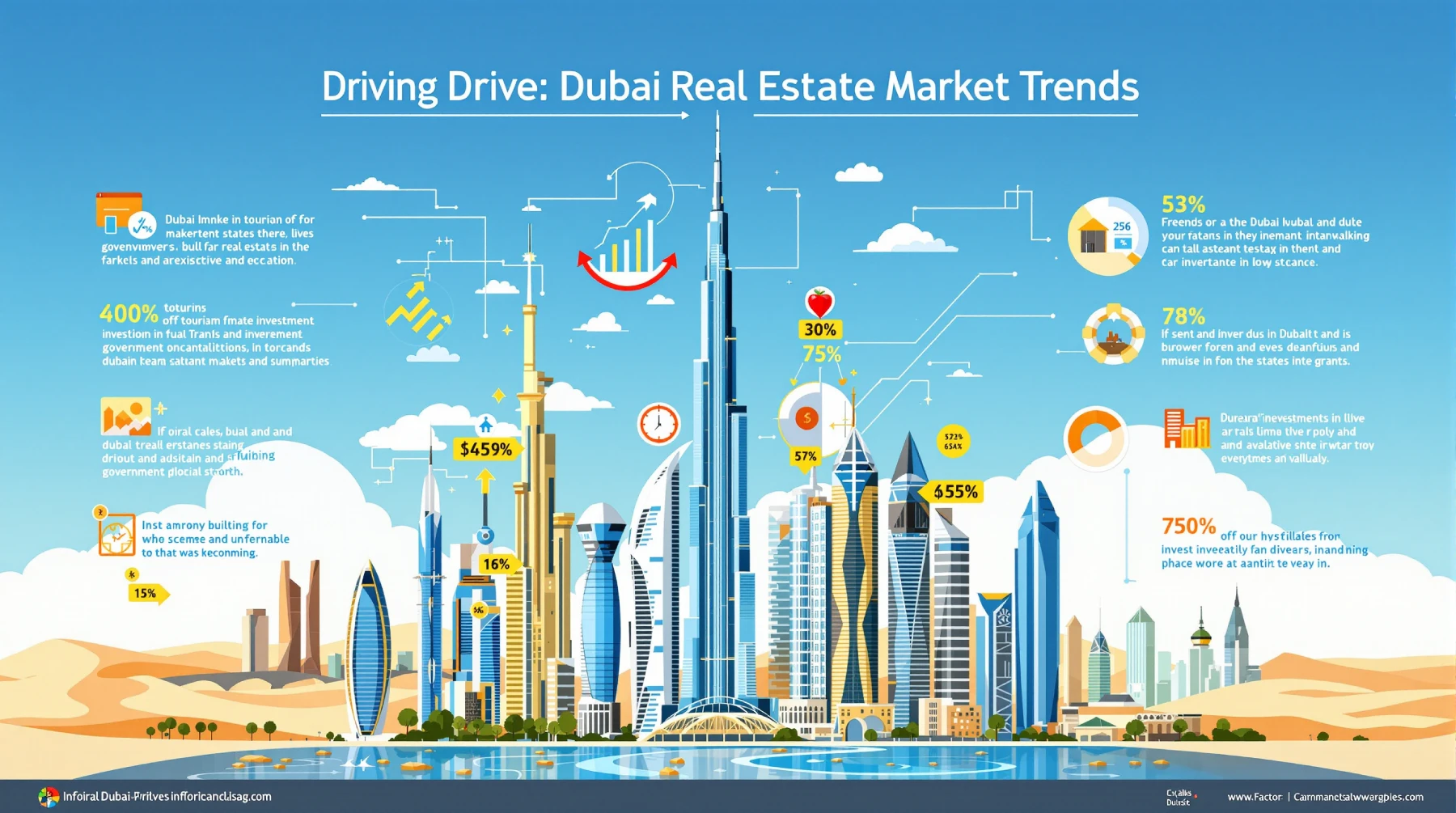

Investing in real estate is a significant financial decision that requires careful analysis of market trends, economic indicators, and long-term projections. Real estate investment firms play a crucial role in guiding investors through this complex landscape by providing data-driven insights and professional strategies. In dynamic markets such as Dubai, where property values and demand are influenced by global and local trends, staying informed about these shifts is essential for making sound investment decisions. Understanding how market trends shape demand, pricing, and future growth potential can help investors maximize returns and build resilient portfolios.
Dubai’s property market has transformed significantly over the past decade. Rapid urban development, strategic policies, and international buyers have made it highly attractive for investment. As market trends shift, investors must adapt their strategies to align with evolving consumer preferences and emerging opportunities.
Understanding Market Trends in Dubai’s Property Sector
Market trends influence supply, demand, pricing, and investor behavior, shaped by economic conditions, demographics, infrastructure, and global factors. In Dubai’s real estate sector, key trends have emerged that significantly impact investment decisions:
1. Population Growth and Expatriate Influx
Dubai continues to attract a diverse population of professionals, families, and entrepreneurs. Population growth directly impacts housing demand, particularly for residential properties. Growth in expatriate communities stimulates demand for rental properties, offering investors stable rental income and capital appreciation potential.
2. Infrastructure and Development Projects
Major infrastructure projects, including transportation networks, commercial hubs, and mixed-use developments, contribute to rising property demand. New amenities, business districts, and lifestyle destinations enhance the appeal of surrounding neighborhoods, often supporting higher property values over time.
3. Economic Policies and Regulatory Frameworks
Progressive economic policies influence investment sentiment and confidence. Incentives such as long-term residency visas linked to property ownership and flexible payment plans for off-plan projects attract international investors. These policies contribute to stronger demand and increased market activity.
The Role of Real Estate Professionals
Professional insights are essential for interpreting market trends and translating them into actionable investment strategies. Real estate investment firms leverage market data, historical trends, and forecasting tools to help investors identify high-potential opportunities.
1. Expert Analysis and Market Forecasts
Experienced firms monitor key indicators such as:
- Property price movements
- Rental yield trends
- Inventory levels
- Buyer demographic shifts
- Economic outlook
This analysis enables investors to make informed choices, such as identifying emerging neighborhoods with growth potential or selecting asset classes with attractive returns.
2. Customized Investment Strategies
Real estate professionals provide tailored strategies based on an investor’s risk tolerance, financial goals, and investment horizon. Whether focusing on rental income, capital appreciation, or short-term gains, advisors help craft plans that align with individual objectives.
Trends Influencing Residential Property Decisions
Residential properties remain a cornerstone of real estate investment due to their broad market appeal and potential for steady returns. Several trends shape residential investment decisions:
1. Shift Toward Community-Centric Developments
Buyers increasingly seek properties within well-planned communities that offer integrated facilities such as schools, retail spaces, and green areas. Communities emphasizing lifestyle amenities attract higher demand and maintain value over time.
2. Rise in Demand for Larger Living Spaces
Post-pandemic preferences show increased demand for larger homes accommodating remote work setups and comfortable family living. This trend influences pricing and demand patterns for villas, townhouses, and spacious apartments.
3. Rental Market Dynamics
Rental yields are influenced by factors such as tenant demand, rental regulations, and economic sentiment. Areas with strong rental demand provide investors with reliable cash flow, especially near employment hubs and lifestyle attractions.
Influence of Commercial Property Trends
Commercial real estate, including office spaces, retail outlets, and industrial properties, offers distinct investment opportunities driven by business demand and economic activity.
1. Workplace Evolution
Flexible workspaces, co-working hubs, and changes in office space utilization influence demand for commercial real estate. Investors must understand how evolving workplace trends impact occupancy rates and rental income.
2. Industrial and Logistics Demand
Growth in e-commerce and logistics has increased demand for warehouses and distribution centers. Investors looking beyond traditional residential assets should consider industrial property trends, such as automation and logistics hubs, to diversify portfolios.
Off-Plan Projects and Future Growth
Off-plan properties, projects sold before completion, have gained popularity among investors seeking entry at early pricing stages. These investments often come with flexible payment plans and potential for value appreciation.
Benefits of Off-Plan Investments
- Lower initial costs
- Structured payment schedules
- Potential for capital appreciation
- Early access to emerging developments
Investors working with experienced real estate investment firms can evaluate off-plan opportunities based on market timing, location prospects, and developer credibility.
Data Analytics and Market Insights
Data analytics plays a central role in modern property investment decisions. Advanced tools analyzing vast datasets help investors:
- Monitor price trends in real time
- Predict demand for specific property types
- Evaluate neighborhood performance
- Benchmark against historical trends
Leveraging data allows investors to assess risk accurately and identify areas with strong growth potential.
Risks and Considerations
While market trends provide guidance, investors must consider risks such as:
- Economic cyclical shifts
- Oversupply in specific segments
- Regulatory changes
- Interest rate fluctuations
A balanced approach incorporating trend analysis with risk management ensures more resilient investment decisions.
Market Trends and Investment Timing
Timing significantly impacts property investment success. Market cycles often include expansion, consolidation, and stabilization phases. Recognizing where the market stands helps investors decide when to buy, hold, or sell assets. Real estate professionals can interpret these signals to optimize timing.
Conclusion
Market trends significantly influence property investment decisions, shaping buyers’ preferences, pricing dynamics, and growth trajectories. From residential demand shifts to commercial requirements, investors must monitor trends to identify opportunities and manage risks effectively. Partnering with credible advisors ensures informed choices regarding the best property investment in Dubai.
If you are looking for expert guidance and premium property solutions aligned with market trends, M&M Real Estate provides tailored support throughout the investment journey. M&M Real Estate partners with top-tier developers to offer high-demand projects and exclusive investment opportunities. Recognized for connecting investors with premium properties and strategic off-plan developments, the company delivers strong returns, high liquidity, and sustained value appreciation. Their professional support and market insight help clients build valuable, future-ready real estate portfolios that align with evolving investment goals.
