
Micro, small, and medium enterprises (MSMEs) have an important role in supporting economic activity. They operate across many sectors, including food services, retail, transportation, personal services, and online commerce. Despite their contribution, many small businesses still face operational challenges related to payment collection, transaction recording, and financial administration. The development of digital payment infrastructure has created practical alternatives that can address some of these challenges.
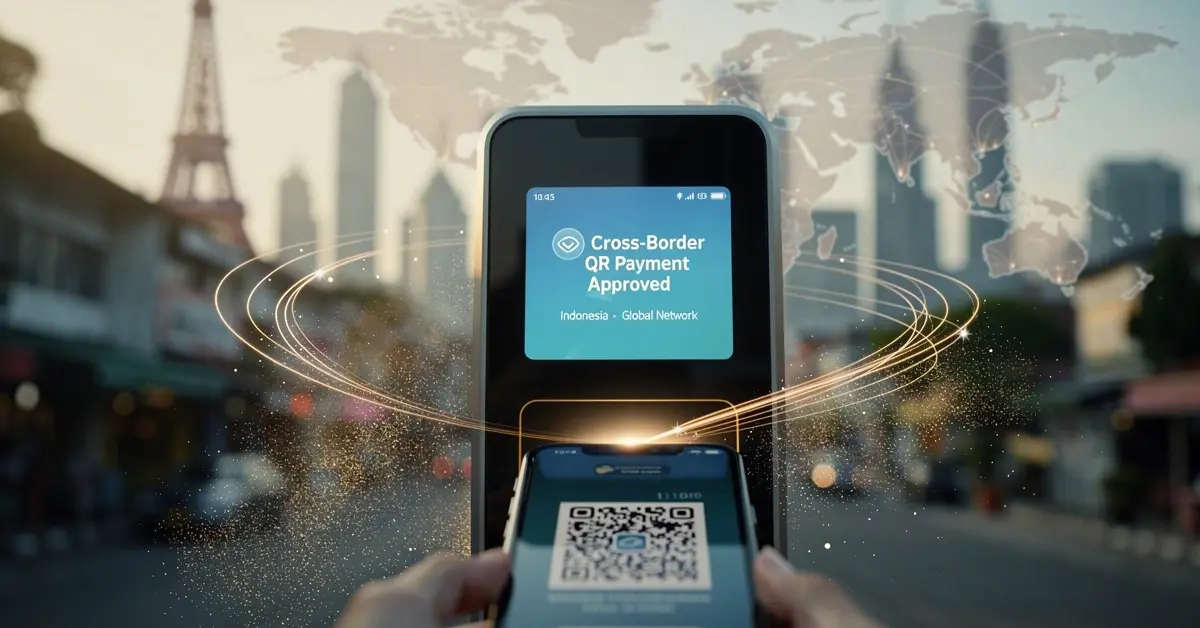
In Indonesia, QRIS provides a standardized method for accepting QR-based payments. Instead of requiring merchants to display multiple QR codes from different payment providers, a standardized QR code can support transactions through participating payment applications. This system can make payment processing more consistent while giving customers greater flexibility in choosing their preferred digital payment service.
Simplifying Payment Collection
One of the most noticeable changes brought by QR-based payments is the simplification of everyday transactions. A customer can scan a merchant’s QR code using a compatible application, enter the transaction amount when required, and confirm the payment. This process reduces the need for physical cash and can make transactions easier to complete.
For MSMEs, simplified payment collection can be particularly relevant in locations with frequent small-value transactions. Food stalls, cafés, convenience retailers, and independent service providers often handle numerous purchases throughout the day. A faster payment process can help reduce queues and minimize the administrative work associated with handling cash.
Digital payments also reduce the need for merchants to maintain sufficient physical change. This can be useful for businesses that regularly receive payments with different denominations. However, merchants still need appropriate procedures for confirming successful transactions before providing goods or services.
Improving Transaction Records
Accurate transaction records are essential for understanding business performance. Traditional cash-based operations may require owners or employees to record sales manually, creating opportunities for calculation errors or incomplete entries. Digital payments can provide electronic transaction histories that are easier to review.
A business owner can use these records to compare incoming payments with sales information. Daily reconciliation can help identify discrepancies between recorded sales and received funds. Over longer periods, transaction histories may also support cash-flow monitoring and basic financial reporting.
Digital records should not be treated as a complete replacement for accounting systems. Businesses still need to record expenses, inventory purchases, employee costs, taxes, and other financial obligations separately. Nevertheless, payment records can provide a useful source of information for maintaining more organized financial documentation.
Accommodating Changing Consumer Habits
Consumer behavior has gradually shifted toward digital transactions as smartphones and electronic financial services have become more accessible. Some customers prefer digital payments because they do not need to carry physical cash. Others may choose them because transaction histories can be viewed directly through their financial applications.
This change affects MSMEs because payment preferences can influence the overall purchasing experience. A business that supports several practical payment methods can accommodate customers with different habits. QRIS provides one standardized option within this broader payment environment.
The use of QR-based payment terminology has also expanded across various online services. For example, the phrase Slot Qris can appear in digital environments where users search for services associated with QR-based payment methods. From an informational perspective, such terminology illustrates how QR payments have become familiar within different areas of online commerce.
Reducing Cash Handling Requirements
Cash management can require considerable attention from small businesses. Physical money needs to be counted, stored securely, reconciled against sales, and deposited when necessary. Errors can occur during counting or when employees handle transactions during busy periods.
Digital payment systems can reduce the volume of physical cash involved in daily operations. This may simplify certain administrative procedures and reduce the number of steps required to reconcile sales. Businesses can allocate more attention to product preparation, inventory control, customer service, and other operational responsibilities.
However, reducing cash handling does not eliminate financial risks. Merchants still need to protect payment accounts, verify transaction notifications, restrict access to authorized personnel, and maintain secure authentication practices.
Supporting Low-Value Digital Transactions
MSMEs frequently serve customers who make relatively small purchases. Digital payment infrastructure can support these transactions without requiring customers to exchange physical currency. This is particularly relevant for businesses operating in environments where customers expect quick and convenient payment processes.
The growth of digital services has also produced search terms such as Slot Deposit 5000, which illustrates the wider association between digital platforms and low-value payment transactions. Although individual services may have different payment structures, the underlying development reflects a broader shift toward electronic transaction methods that can accommodate various payment amounts.
For MSMEs, understanding how customers use digital payment channels can provide useful insight into transaction behavior. Businesses can examine payment frequencies, transaction values, and peak purchasing periods while maintaining appropriate privacy and financial controls.
Encouraging Broader Digital Adoption
Payment technology can serve as an entry point for MSMEs beginning their digital transformation. Once business owners become familiar with electronic transactions, they may gradually adopt additional digital tools for accounting, inventory management, customer communication, invoicing, and online sales.
This process does not require every business to replace traditional practices immediately. Digital adoption can occur incrementally according to operational needs. A small retailer, for example, may begin with QR-based payments before introducing digital inventory records or cloud-based bookkeeping.
Training remains important throughout this transition. Business owners and employees need to understand transaction verification, account security, privacy protection, and appropriate procedures for resolving payment discrepancies.
Strengthening Financial Administration
Financial administration becomes more structured when payment information can be reviewed electronically. Business owners can organize transaction records according to dates, amounts, and payment channels. These records may support routine reconciliation and make it easier to identify unusual discrepancies.
Digital payment information can also contribute to more informed business planning. Historical transaction data may help owners identify periods of higher demand, estimate cash requirements, and evaluate changes in customer purchasing patterns.
Proper financial administration still requires additional information beyond payment records. Expenses, supplier invoices, taxes, wages, inventory costs, and other obligations must be documented separately to produce a complete view of business finances.
Developing a More Efficient MSME Ecosystem
The integration of standardized digital payments into everyday commerce can connect MSMEs with a broader digital financial ecosystem. Customers can access familiar payment methods, while merchants can manage transactions through electronic records and established financial channels.
The effectiveness of this system depends on more than payment technology alone. Reliable internet access, suitable devices, user education, cybersecurity awareness, accurate bookkeeping, and clear transaction procedures all contribute to successful implementation.
As MSMEs continue adapting to digital commerce, payment systems such as QRIS represent one component of a broader transformation in how small businesses conduct, record, and manage financial transactions.
