
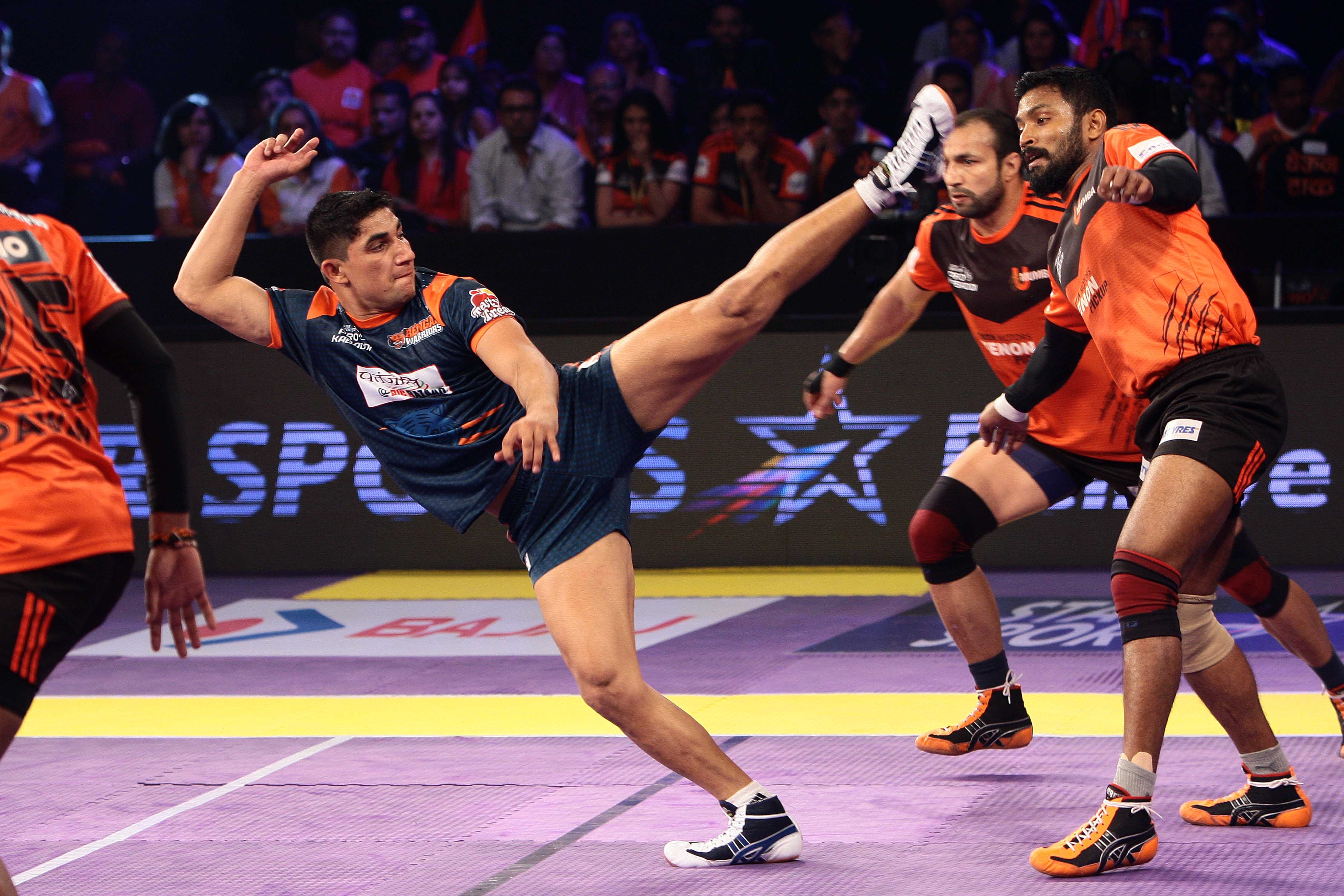
Kabaddi is fast, physical, and packed with momentum swings. That pace makes great television and tricky mobile coverage. Push alerts pile up. Short videos crowd feeds. Headlines chase every raid like it is the last of the match. Readers benefit when coverage slows the story down just enough to stay accurate. The best pieces explain format, timing, and rules first. Then they show what changed and why it matters now.
This guide lays out a calm framework for covering kabaddi betting apps in a world of constant pings. The focus is service journalism – how to help audiences follow the action without turning every screen into a siren. Clean sourcing, clear language, and respectful endings create articles people finish. More importantly, they create habits readers trust.
Why Kabaddi Needs a Different Mobile Playbook
Kabaddi compresses tension into short bursts. A single raid can flip a scoreboard. That rhythm does not fit the default “always on” push model. When every micro-event becomes a breaking alert, attention fragments and comprehension drops. A better approach centers on choice. Let audiences opt into windows that matter – match start, half-time, momentum swings, final two minutes – and keep the rest in a digest they can read on their schedule.
Context earns clicks more than volume. Explain the basics up front: raid clock, bonus line, tackle points, all-out scenarios, and how team strategies change late. Readers who understand the levers of a match enjoy highlights more and skim fewer pages for answers they should have had already. The newsroom achieves a double win – higher completion rates and fewer support messages inquiring about the meaning of specific calls.
Timing, Alerts, and UX That Respect Attention
Editing is a design job as much as a writing one. Mobile pieces read inside grocery lines, on buses, and during family evenings. Every tap and animation choice shapes perception. A reader-friendly kabaddi article uses a predictable structure: a topline that states the outcome, a dek that explains why, and a first paragraph that places the moment in the match arc. Short subheads pace the rest.
Alerts should inform, not provoke. “Defensive lock. All-out threat.” is service. “Unbelievable raid!” is noise. Let readers set quiet hours. Batch non-critical pings into a single digest. When a tap lands, the landing page must mirror the promise – no interstitials, no autoplay, no maze. Thumbnails load after text. Captions keep key details visible at low volume. This restraint raises completion and reduces the “one more tap” spiral that steals minutes from a busy day.
Language That Lowers Risk, Raises Understanding
Words carry weight when decisions feel fast. Service writing favors verbs over hype and specifics over vibe. “Two raids left in the half” tells audiences how to think about time. “Home crowd roaring” tells them how to feel and little else. Numbers should be honest. Use exact values when they change a reader’s take. Round only when precision adds clutter; avoid metaphors that imply control where none exists. If randomness or officiating discretion affects outcomes, say so in plain language.
Micro-copy deserves newsroom standards. Buttons that say “Watch recap,” “See lineup,” or “Read analysis” outperform coy labels like “Explore.” Tooltips and callouts help newcomers without hijacking the flow. Accessibility lives in the same paragraph – high contrast, legible fonts, and alt text that adds facts rather than repeating headlines. Inclusive pages perform better everywhere, especially at night.
Editing for Commuters – A Layout People Can Finish
A one-screen glide beats a stack of stubby pages. Keep the canvas tight. Reserve space so the layout does not jump when images arrive. Use a single, well-sized media slot with a caption that adds context. If a clip embeds, default it to silent. Readers decide when to unmute. Link density remains low. Each link should act like a door to depth, not a trap. When pointing to external or contextual hubs, announce the benefit before the click, not after.
A small checklist in the middle of the piece can improve retention without turning the article into a how-to. Place it where decision fatigue rises – often after the first block of analysis. Keep it short and neutral. The goal is to steady the reader, not convince them to do anything.
Ending on Purpose – A Better Final Whistle
Endings shape memory more than leads do. Kabaddi coverage that ends cleanly earns the next open. Offer one sensible next step – a 90-second recap, a fixtures page for tomorrow, or a quiet digest sign-up. Do not pile pop-ups on a tired thumb. A short sign-off is powerful: “You’re caught up. Back to your day.” Trust grows when the product releases attention rather than clutching it.
This approach also helps the brand behind the byline. Calm pages gain completion and shares because they feel useful and humane. Sponsors prefer predictable, ad-light environments over jarring breaks mid-raid. Editors like clear frameworks because they reduce rewrites and scale across tournaments.
Kabaddi deserves coverage that matches its spirit – vigorous on the mat, composed on the page. Sourcing that stays clean, timing that respects the room, and language that teaches without pushing will beat the hype cycle every week.
