
Anyone who has worked cattle knows how quickly a routine job can turn dangerous. A spooked animal weighing 500 kilograms or more can cause serious injury in seconds. It can also lose condition, bruise, or become harder to handle next time. The good news is that most of these problems can be prevented with sound handling practices and the right setup.
The foundation of safer, calmer stock work is well-designed cattle handling equipment. Whether you run a small breeding operation or a large commercial herd, the right yards, races, crushes, and loading facilities let you move, restrain, and treat animals with less force and fewer surprises. If you are planning an upgrade or a new build, it helps to explore cattle handling equipment that is built around low-stress principles and handler safety from the start.
Why Low-Stress Handling Matters
Cattle are prey animals with wide-angle vision and a strong flight instinct. They react to sudden movement, loud noise, dark shadows, and unfamiliar surfaces. When they feel trapped or pressured, they panic, and panic causes injuries to both animals and people.
Stress also has a measurable cost beyond the immediate risk:
- Weight loss and reduced feed intake following a stressful muster or yarding
- Bruising and carcass damage, which affects meat quality and sale value
- Weakened immunity, making cattle more vulnerable to disease
- Poorer fertility and conception rates in breeding stock
- Learned fear, which makes every future handling session harder
Low-stress handling works with cattle’s natural behaviour rather than against it, and good equipment makes that possible.
Key Equipment for Safer Cattle Handling
Cattle Yards and Panels
Yards are the backbone of any handling system. Well-designed yards use sturdy, properly spaced panels that hold animals securely without sharp edges or protruding bolts that can cause cuts and bruises. Layout matters as much as strength. Avoid dead ends and sharp corners where cattle can bunch up or turn back. Rounded corners and a logical flow from holding yard to forcing pen to race keep animals moving forward calmly.
Races and Forcing Pens
The race, or chute, is where cattle are funnelled into single file. A curved race takes advantage of cattle’s tendency to follow the animal ahead, and solid sides reduce distractions and prevent them from seeing people or activity outside. A well-designed forcing pen gently pushes cattle into the race without overcrowding. Crowd gates that swing smoothly and lock securely give handlers control without the need for shouting or prodding.
Cattle Crushes and Head Bails
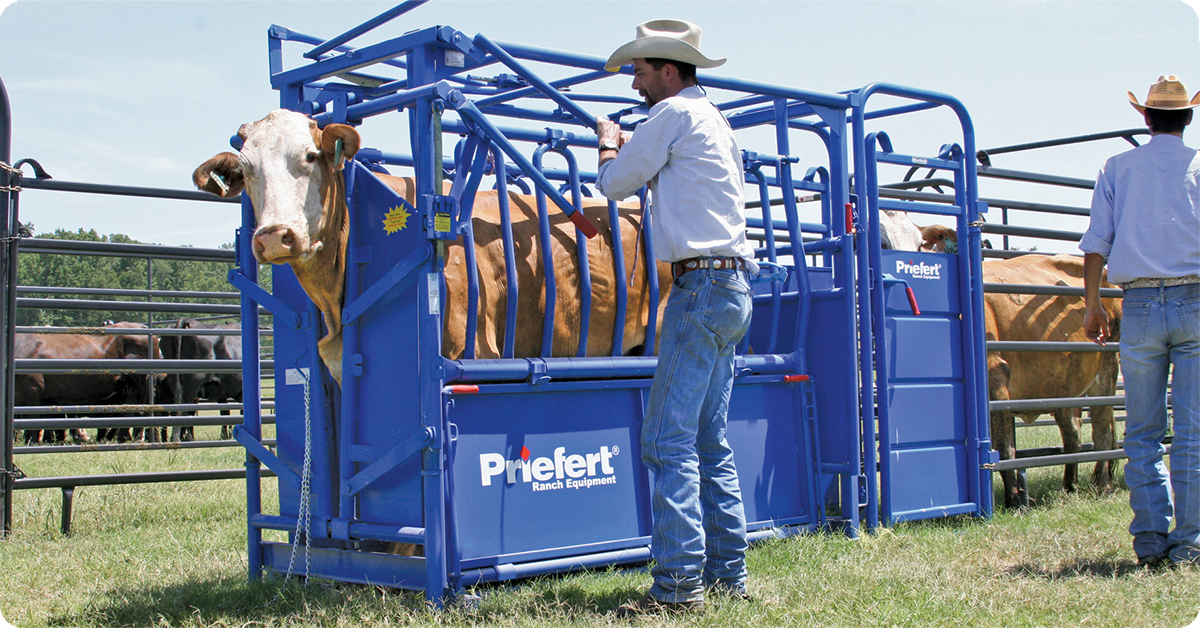
The crush is where most hands-on work happens, such as vaccinating, drenching, pregnancy testing, tagging, and veterinary treatment. A quality crush holds the animal firmly but comfortably, with smooth operation and minimal noise. Look for features such as:
- A reliable head bail that catches cleanly and releases easily
- Adjustable sides to suit different sizes of cattle
- Side access panels and gates for safe treatment of legs and flanks
- Non-slip flooring to prevent falls
A crush that clangs, jams, or pinches makes cattle anxious and puts handlers at risk, so operation should be quiet and smooth.
Loading Ramps and Drafting Gates
Loading is a common source of injuries and stress. A well-built ramp with the correct slope, solid sides, and secure footing helps cattle walk on rather than balk. Drafting gates and sorting systems let you separate animals by age, weight, or condition without chasing them around the yard, which saves time and reduces pressure on the herd.
Weighing and Monitoring Equipment
Integrating scales into your handling system lets you track growth rates and make better management decisions without extra handling. Weighing animals as they pass through the race means one session can cover multiple tasks, reducing how often cattle are yarded.
Design Principles That Improve Safety
Equipment quality is only part of the picture. The way it is laid out and used shapes outcomes just as much.
Keep the flow simple. Cattle should move in one direction, from larger holding areas to smaller working spaces, without doubling back.
Reduce visual and auditory distractions. Solid-sided races, shade cloth, and quiet hinges help cattle stay calm.
Provide good footing. Slippery concrete and uneven ground cause falls. Grooved or textured surfaces give animals confidence.
Build in handler escape points. Walk-through gates and strategically placed openings let people exit quickly if an animal becomes agitated.
Make sure lighting is even. Cattle tend to balk at shadows and sudden changes from light to dark.
Maintenance Is Part of Safety
Even the best equipment deteriorates over time. Regularly check hinges, latches, welds, and bolts for wear or damage. Replace broken rails, fix loose panels, and lubricate moving parts. A gate that sticks or a latch that fails at the wrong moment can turn a manageable situation into an emergency. A simple seasonal inspection before busy periods such as weaning, marking, or drafting can prevent costly problems.
Building a Culture of Safe Handling
Equipment works best alongside training. Teach everyone who works with cattle to understand flight zones, point of balance, and calm movement. Encourage patience over pressure. When handlers stay relaxed and predictable, cattle respond in kind, and the equipment does what it was designed to do.
Final Thoughts
Investing in the right handling setup pays off in healthier cattle, safer working conditions, and more efficient days in the yards. By choosing well-designed equipment, laying it out thoughtfully, and keeping it in good repair, you protect both your animals and the people who care for them. Safer handling is also smoother handling, and that benefits your whole operation.
