
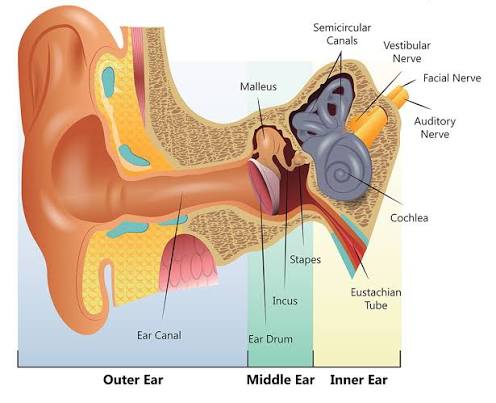
Ear infections and urinary infections are among the most common ailments treated under Indian health insurance policies, and most standard plans will pay for hospitalisation when treatment becomes medically necessary. Ear infections are especially prevalent — about 80% of Indian children experience a chronic case of ear infection at some point, and roughly 1 in 5 adults experiences one as well. Urinary infections (UTIs) are also widespread, ranging from mild infections treatable with medicine to severe cases requiring hospital admission. In both cases, the depth of coverage depends heavily on the specific policy.
Ear Infection Coverage
A Mediclaim Policy is the most straightforward form of health cover available in India, reimbursing the insured for hospitalisation expenses caused by illness, injury, or surgery up to the sum insured selected at the time of purchase. When you buy a Mediclaim Policy from Star Health, you can access cashless treatment at empanelled hospitals, meaning you do not need to arrange upfront payment for covered medical expenses. A well-structured Mediclaim Policy also covers pre-hospitalisation costs such as diagnostic tests and consultations, as well as post-hospitalisation follow-ups for a defined period after discharge. The value of a Mediclaim Policy becomes most evident during a health crisis, when the financial impact of treatment can otherwise be sudden and severe. Reviewing your Mediclaim Policy annually to ensure the sum insured keeps up with rising medical inflation helps you avoid being underinsured at the moment of need.
Health insurance can cover ear surgery and treatment when it is deemed medically necessary — for conditions such as severe ear infections, hearing loss, a perforated eardrum, tumours or congenital abnormalities. The exact extent of coverage varies depending on the specific insurance policy and any deductibles, co-payments, or exclusions that may apply, so two policyholders with seemingly similar plans can end up with quite different out-of-pocket bills for the same ear procedure. According to the National Institute on Deafness and Other Communication Disorders, there are three types of ear infection: acute otitis media, otitis media with effusion, and chronic otitis media with effusion. Not all health insurance plans cover ear infection treatment equally — some basic plans cover hospitalisation and surgical costs but exclude the diagnostic tests required for treatment, while comprehensive plans typically include treatment for hearing loss as well. Given how common the condition is, treatment of the ear is generally considered necessary for overall well-being rather than a discretionary procedure, which is one reason insurers increasingly build at least some ear-related coverage into standard family plans.
Commonly covered items include:
Doctor consultations with an ENT specialist or general practitioner for diagnosis
Diagnostic tests such as ear examinations, hearing tests and lab work
Medication expenses during hospitalisation, including antibiotics and pain-relief drugs
Minor surgical procedures such as fluid drainage, insertion of ear tubes, or tympanoplasty (eardrum repair)
Hospitalisation costs including room charges, nursing fees, and doctor fees
Pre- and post-hospitalisation costs covering diagnostic tests, follow-up visits, and prescribed medicines
Cost of hearing aids (though this is often limited)
Pediatric ear infection treatment under family floater plans, along with emergency care for severe pain, high fever, or balance problems
However, several limitations commonly apply. Most ear infections are treated through outpatient (OPD) consultations and medicines, and standard health insurance does not typically include OPD benefits, so these costs are usually excluded. Insurers may impose a waiting period for chronic ear conditions that existed before the policy was purchased. Cosmetic ear surgeries and non-medically-necessary procedures are not covered, hearing aids or long-term assistive devices may have limited coverage, and some insurers cap reimbursement for diagnostic tests or ENT room rent through policy sub-limits. Self-medication expenses — medicines bought without a doctor’s prescription — are also excluded.
When choosing a policy for ear treatment coverage, check that it covers hearing loss, has a shorter waiting period for ear-related claims, includes ear specialists and hospitals in its network, and offers a transparent, hassle-free claim settlement process. To file a claim smoothly: inform your insurer about scheduled treatment in advance, prefer hospitals offering cashless benefits, and if treated at a non-network hospital, settle the bill yourself first and then submit it along with reports for reimbursement. Keep all hospital bills, test reports and prescriptions intact, and follow up with the insurer on claim status.
Urinary Infection Hospitalisation Coverage
A urinary infection occurs when any part of the urinary system — kidneys, bladder, or the tubes carrying urine — becomes infected, causing symptoms like a burning sensation while urinating, fever, stomach pain, or frequent urination. Urinary infections are widespread in India, and while many cases are mild and resolve with a course of medicine, others are severe enough that hospital admission becomes necessary. If the infection spreads to the kidneys, it can become serious enough to require hospitalisation and close monitoring by doctors, which is exactly the scenario in which health insurance coverage becomes most valuable.
Most health insurance plans in India will cover UTI hospitalisation costs, provided a doctor has admitted you to the hospital because treatment is genuinely necessary. While admitted, insurance typically covers:
Hospital room charges, up to a specified limit
Diagnostic tests and medicines, including blood tests, urine tests, and prescribed drugs
Pre- and post-hospitalisation costs such as doctor visits and tests before and after the hospital stay
Claims may be rejected in certain situations: if hospitalisation was not genuinely necessary, if you self-treated without a doctor’s involvement, or if the UTI relates to a disease you had before buying the policy (a pre-existing condition).
When choosing a health insurance plan with UTI coverage in mind, compare what each plan covers during hospitalisation, the waiting periods involved, and what is explicitly excluded. It also helps to choose a plan offering emergency funds and the ability to get cashless treatment at a nearby network hospital rather than paying upfront. Reading the plan details carefully before a UTI flares up into something serious is the only reliable way to avoid being surprised by a rejected or partially reimbursed claim at the point you need the money most.
In both ear infection and urinary infection cases, the common thread is that hospitalisation and medically necessary treatment are generally covered, while routine outpatient care, self-treatment, and pre-existing condition waiting periods are the main gaps to watch for. Reading the policy wording carefully — particularly around OPD exclusions, sub-limits, and network hospitals — is essential before relying on coverage for either condition.
Why These Conditions Deserve Specific Attention
Given how common both conditions are — with the vast majority of Indian children experiencing at least one chronic ear infection, and UTIs ranging widely in severity from a mild infection treated with a short course of antibiotics to a kidney infection requiring inpatient monitoring — it’s worth treating them as a realistic test case for how well a policy actually performs, rather than an edge case. A policyholder evaluating a plan for a young family, for instance, should specifically check whether pediatric ENT consultations and treatment are included under the family floater, since ear infections are overwhelmingly a childhood condition and a policy that handles this well is likely to handle other common pediatric illnesses well too.
Practical Takeaways
Three checks are worth running before assuming either condition is covered the way you expect. First, confirm whether the policy includes any OPD benefit rider — without one, the bulk of ear infection treatment and mild UTI care, which is handled through outpatient consultations and medicines rather than hospital admission, will fall outside your cover entirely. Second, check whether a waiting period applies to chronic or recurring conditions that existed before the policy was purchased, since both ear infections and UTIs can be chronic in nature and insurers may treat a previously diagnosed case as a pre-existing condition. Third, look at how the policy treats hearing aids and other assistive devices if hearing loss is a concern, since coverage here is often capped or excluded even under otherwise comprehensive plans. Keeping hospital bills, diagnostic reports, and prescriptions organised from the start of treatment — and confirming in advance whether the hospital offers cashless settlement or will require you to pay first and claim reimbursement later — makes the difference between a smooth claim and a frustrating one.
Being able to identify Viral fever symptoms early can make a significant difference in how quickly you seek medical attention and begin treatment. Common Viral fever symptoms include a sudden rise in body temperature, chills, body aches, fatigue, headache, and in some cases a runny nose or mild cough. Viral fever symptoms can sometimes resemble those of more serious conditions like dengue or chikungunya, which is why a medical consultation is recommended when symptoms persist beyond two to three days. Monitoring Viral fever symptoms carefully and noting whether a rash, joint pain, or bleeding gums are present helps doctors distinguish between a simple viral infection and a more serious disease. Star Health provides guidance on recognising Viral fever symptoms and when to seek immediate care, supporting informed decisions at the first sign of illness.
